Why Solar Power Is Key to a Sustainable Planet
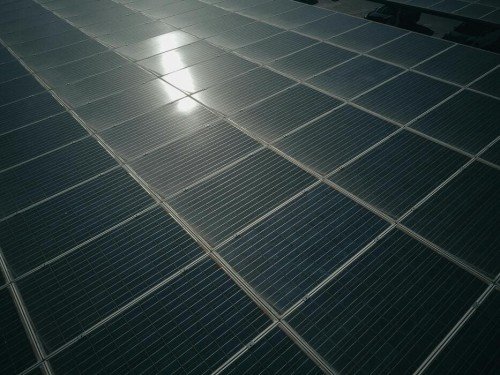
Solar energy is rapidly emerging as one of the most practical, scalable, and cost-effective answers to the global climate and energy crisis. As governments, businesses, and households search for cleaner alternatives to fossil fuels, solar power stands out not only for its environmental advantages but also for its economic and social benefits. From reducing greenhouse gas emissions to stabilizing long-term energy costs, solar has become a cornerstone of any serious sustainability strategy.
1. Solar Power Cuts Greenhouse Gas Emissions at the Source
The largest driver of climate change is the burning of fossil fuels for electricity, heating, and transportation. Traditional power plants release enormous quantities of carbon dioxide, methane, and other greenhouse gases. Solar power, in contrast, produces electricity without combustion. Once the panels are manufactured and installed, their day-to-day operation generates virtually zero direct emissions. Over their 25+ year lifespan, solar installations can offset many tons of CO2 that would have otherwise come from coal, oil, or gas.
As more homes and businesses install solar panels, demand for fossil fuel–based electricity declines. This gradual but steady displacement is essential for meeting global climate targets and limiting planetary warming. Solar is not just “less harmful”; it is a foundational technology for decarbonizing the grid and building a resilient, low-carbon future.
Even beyond energy generation, sustainable practices increasingly extend into how companies manage finances, documentation, and compliance. Digitizing paperwork and moving processes online reduces paper waste, postal emissions, and operational overhead. Tools like a invoice generator enable businesses to send professional invoices instantly, cut down on printing, and streamline workflows, aligning financial operations with broader environmental goals.
2. Solar Energy Is Abundant and Globally Accessible
The sun delivers more energy to Earth in a single hour than humanity uses in an entire year. Unlike finite fossil fuel reserves, solar radiation is effectively inexhaustible on human timescales. This abundance makes solar a uniquely powerful resource for a sustainable planet. As long as the sun shines, we have access to a clean energy source that does not depend on geopolitical tensions, volatile markets, or depletion.
Solar is also remarkably flexible geographically. Rooftop systems can power individual homes in cities and suburbs, ground-mounted arrays can support industrial facilities, and off-grid solar can bring electricity to remote villages with no access to central grids. This decentralization empowers communities and reduces reliance on large, centralized power plants that are often far from where energy is consumed.
3. Solar Power Enhances Energy Independence and Security
Nations that depend heavily on imported fossil fuels are vulnerable to price shocks, supply disruptions, and political instability. Expanding solar capacity allows countries to generate more of their energy domestically, buffering against these external risks. Localized solar generation, especially when paired with energy storage, also improves grid reliability by reducing transmission losses and lowering peak demand stress.
At the household and business level, solar can protect against rising utility rates and power outages. Owners of solar systems may experience more predictable energy expenses, making long-term planning easier. When combined with batteries, solar installations can continue supplying power even when the wider grid goes down, providing a critical lifeline during extreme weather events that are becoming more frequent due to climate change.
4. Solar Technology Drives Innovation and Green Jobs
The global solar industry is a major engine of economic growth and innovation. From panel manufacturing and system design to installation, maintenance, and software development, solar creates a broad spectrum of skilled jobs. These roles often arise in local communities, supporting regional economies and enabling workers to participate directly in the clean energy transition.
Technological advances continue to improve panel efficiency, reduce costs, and expand use cases. Innovations such as solar shingles, building-integrated photovoltaics, and agrivoltaics (combining solar with agriculture) demonstrate how solar can be woven into everyday environments. As these technologies mature, they make solar more attractive and accessible, lowering barriers for homeowners, businesses, and public institutions.
5. Solar Systems Have Falling Costs and Long-Term Savings
One of the most powerful arguments for solar is economic. Over the past decade, the cost of solar panels and related equipment has fallen dramatically, making solar one of the cheapest sources of new electricity in many regions. Once installed, solar panels have relatively low maintenance costs and no fuel expenses, which leads to long-term savings compared to fossil-based power.
For businesses, these savings can improve margins, free up capital for sustainability initiatives, and enhance corporate resilience. For households, solar can reduce monthly utility bills and increase property value. Coupled with tax incentives, rebates, and evolving financing models, solar is increasingly accessible to middle-income families and small enterprises looking to align budget decisions with environmental responsibility.
6. Solar Power Reduces Air and Water Pollution
Conventional power plants, especially coal- and oil-fired facilities, emit pollutants like sulfur dioxide, nitrogen oxides, and particulate matter. These pollutants contaminate air, harm respiratory health, and contribute to smog and acid rain. Solar power, by replacing such generation, directly reduces these health-damaging emissions.
Solar also requires far less water than many traditional energy sources. Fossil fuel and nuclear plants typically consume large quantities of water for cooling, putting pressure on freshwater resources and aquatic ecosystems. Photovoltaic solar systems, in contrast, need minimal water—mostly limited to occasional cleaning of panels—thereby reducing stress on rivers, lakes, and groundwater.
7. Solar Integrates with Smart Grids and Storage
The future of sustainable energy systems depends on smart grids that intelligently balance supply and demand. Solar plays a critical role in this transformation. When combined with advanced metering, demand response programs, and battery storage, solar enables more flexible, efficient, and responsive electricity networks.
Storage solutions help address the variable nature of solar generation by capturing excess energy produced during the day and releasing it at night or during cloudy periods. This capability reduces reliance on backup fossil fuel plants and supports grid stability. As storage costs continue to fall, the synergy between solar and batteries will further accelerate the shift to fully renewable power systems.
Conclusion: Solar Power as a Cornerstone of Sustainability
Transitioning to a sustainable planet requires deep changes in how we produce, distribute, and consume energy. Solar power sits at the center of this transformation. It slashes greenhouse gas emissions, reduces pollution, promotes energy independence, and supports economic development through innovation and job creation. Its declining costs and technical versatility make it a practical option for individuals, businesses, and governments alike.
A truly sustainable future will integrate solar with other renewables, energy efficiency, digital tools, and responsible consumption patterns. From rooftop panels and community solar projects to digital solutions that eliminate paper waste, every step toward cleaner energy and smarter resource use contributes to a healthier planet. Embracing solar power today is not just an investment in technology; it is a commitment to a more resilient, equitable, and livable world for generations to come.